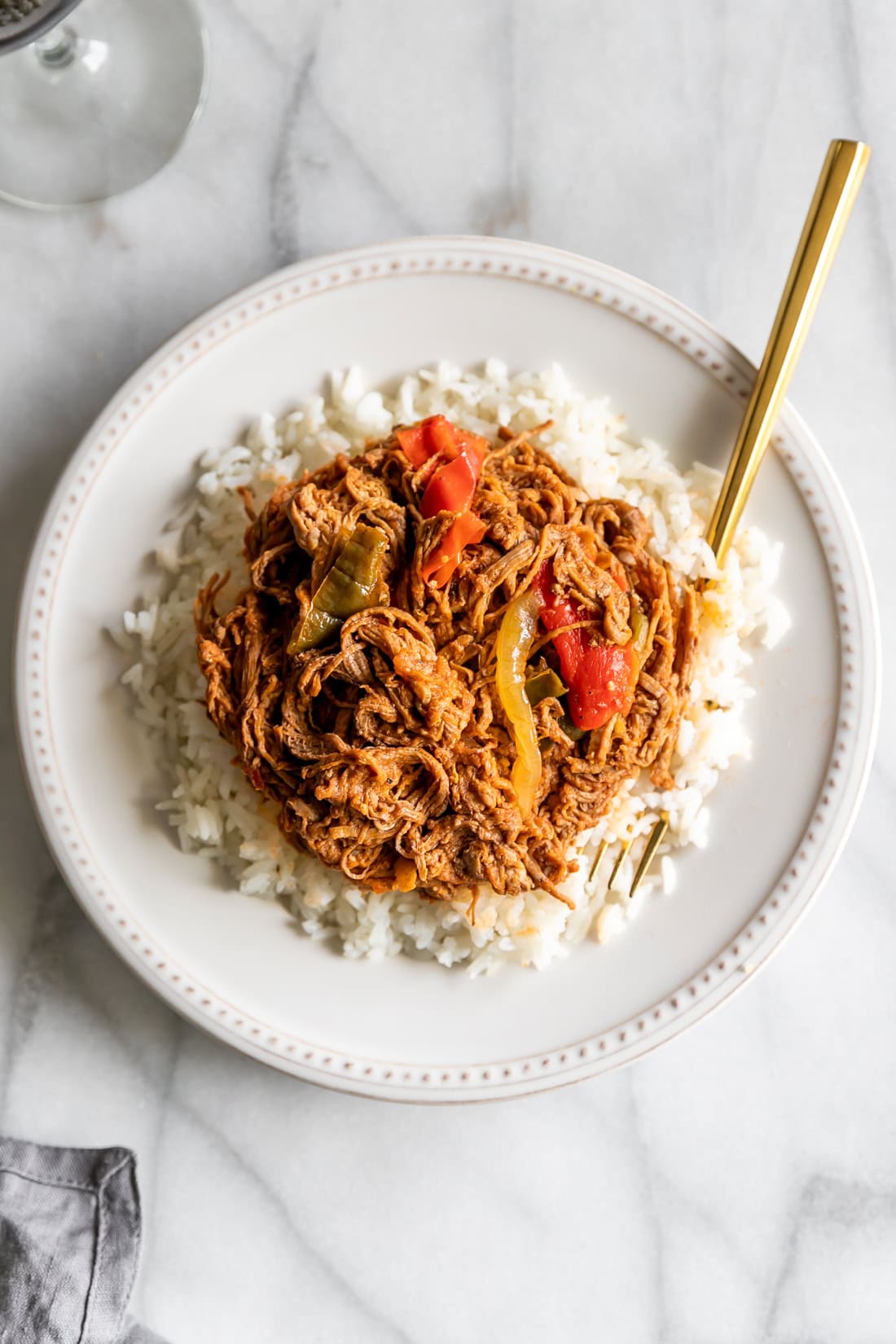
Cuban Ropa Vieja: From Intimidating to Irresistible, Your Perfect Recipe
For many, the mention of Cuban Ropa Vieja conjures images of a deeply flavorful, comforting, and undeniably classic dish. It's a culinary cornerstone of Cuban cuisine, often holding a special place in the hearts and memories of those who grew up with it. Yet, for the uninitiated, the idea of preparing this iconic shredded beef dish can seem a little daunting. Its legendary status, coupled with a multi-hour cook time, might make it feel like a challenge best left to experienced hands – perhaps even your Abuela's!
But here's the delicious secret: while Ropa Vieja is undeniably rich in flavor and tradition, it's far from unachievable for the home cook. With the right approach and a little patience, you can transform a simple cut of beef into a meal so tender, so aromatic, and so profoundly satisfying, it will earn a permanent spot in your recipe rotation. Forget the intimidation; prepare to master a dish that truly hits home, delivering layers of savory goodness with every forkful. This comprehensive guide will walk you through crafting your own irresistible
ropa vieja recipe, empowering you to bring the authentic taste of Cuba straight to your table.
What is Ropa Vieja? Unpacking the "Old Clothes" Mystery
The name Ropa Vieja literally translates from Spanish to "old clothes." While it might sound like an odd moniker for a beloved dish, it’s remarkably apt. Once the beef is slow-cooked to perfection, it naturally shreds into long, tender strands that beautifully resemble tattered fabric. This visual transformation is part of the dish's charm and a testament to the magic of slow cooking.
At its heart, Ropa Vieja is Cuba’s answer to the pot roast, a slow-cooked shredded beef dish braised in a vibrant, rich tomato-based sauce. This sauce is built upon a classic Cuban sofrito – a flavorful foundation of sautéed onions, bell peppers, and garlic, often enhanced with warm spices like cumin and bay leaves. The combination of succulent beef threads and this aromatic, savory sauce is, quite simply, a match made in culinary heaven. It's a dish that has nourished families across Cuba for generations, appearing on dinner tables from Havana to Santiago de Cuba, a true emblem of Cuban comfort food.
Conquering the Culinary Challenge: Why Ropa Vieja Feels Intimidating (and Why It Shouldn't!)
Many aspiring chefs eye a
ropa vieja recipe with a mix of longing and trepidation. The primary source of this apprehension often boils down to two factors: the expectation of perfection for a classic dish, and the seemingly long cooking time. It's true, replicating a beloved family recipe can feel like a tall order, especially if you're trying to live up to the nostalgic flavors of your Abuela's kitchen. And with a total cook time often spanning 3-4 hours, it certainly isn't a weeknight whip-up.
However, let's dismantle these fears. Firstly, while Ropa Vieja is a classic, it's also incredibly forgiving. Each time you make it, you'll learn, adapt, and eventually, find a way to make it uniquely yours. And that lengthy cook time? Here's the good news: most of it is hands-off. The bulk of the time is spent simply boiling the beef, allowing it to become incredibly tender. This prolonged simmering isn't complicated; it's just a waiting game.
What's more, this initial boiling step can be done a day in advance! Boiling the meat the day before not only saves you precious time on the day you plan to serve your Ropa Vieja but also makes it significantly easier to remove the fat. As the meat cools overnight, the fat rises and solidifies at the top of the cooking liquid, allowing for effortless removal. The rich, flavorful liquid that remains then becomes your ideal broth for the Ropa Vieja, adding even more depth to the finished dish. See? Less intimidating already!
The Secret to Success: A Step-by-Step Guide to Your Irresistible Ropa Vieja Recipe
Creating a show-stopping Ropa Vieja is a journey of building flavors, and each step contributes to the final, mouthwatering result.
Choosing Your Cut: Flank Steak vs. Brisket
The foundation of any great Ropa Vieja is the beef. For this dish, you want a cut that, despite being inherently tough, transforms into melt-in-your-mouth tenderness with slow cooking.
*
Flank Steak: This is a traditional choice, known for its long, distinct grain. When cooked correctly, it shreds into beautiful, lengthy strands that perfectly embody the "old clothes" aesthetic.
*
Brisket: Another excellent option, especially if you prefer shorter, equally tender pieces. Brisket also benefits immensely from slow, moist cooking.
Both cuts are fantastic for absorbing the rich flavors of the sauce.
The Foundational Boil: Tenderizing the Beef
This is where the magic of tenderness begins. Place your chosen beef cut in a large pot and cover it generously with water. Add a few bay leaves, a quartered onion, and perhaps some whole peppercorns to infuse flavor into the broth. Crucially, do not add too much salt at this stage. The meat will cook for a long time, and you don't want to end up with an overly salty dish. You can always adjust seasoning later.
Boil the beef until it is fork-tender – this could take 2-3 hours, depending on the cut and size. As mentioned, boiling the meat a day ahead is a fantastic strategy. Once cooked, let the meat cool in the broth, then refrigerate overnight. The next day, easily skim off the solidified fat and reserve the flavorful broth for your sauce. For more in-depth guidance on this crucial first step, be sure to read our
Master Authentic Cuban Ropa Vieja: Abuela's Slow-Cooked Beef Guide.
Once cooled, shred the beef using two forks. Remember not to over-shred it at this point; give it some room to break down further as it simmers in the sofrito.
Crafting the Soul of the Dish: The Cuban Sofrito
The sofrito is the aromatic heart of your Ropa Vieja. This flavor base is typically made by gently sautéing onions, bell peppers (often a mix of red and green for color and flavor), and plenty of garlic in olive oil. Some recipes include canned crushed tomatoes or tomato paste for a deeper red color and tangy sweetness.
We recommend using a large saucepot to build your sofrito. While some prefer diced vegetables, many traditional recipes call for slicing the onions and bell peppers long and thin, mirroring the texture of the shredded beef. This creates a harmonious mouthfeel in the finished dish. Allow the vegetables to soften and sweeten, releasing their incredible aromas before adding your spices (cumin is a must!) and tomatoes.
Bringing It All Together: Simmering to Perfection
Once your sofrito is fragrant and rich, it's time to introduce the shredded beef. Fold the beef into the sofrito, ensuring every strand is coated in the vibrant sauce. Now, add some of your reserved beef broth. This liquid will allow the beef to continue braising and absorb all the incredible flavors of the sofrito. Simmer the mixture gently, uncovered, for at least 30-45 minutes, allowing the flavors to meld and deepen.
This is also the stage where you can add those wonderful contrasting flavors that elevate Ropa Vieja beyond just beef and sauce. Consider adding pimiento-stuffed green olives, a tablespoon of capers, or roasted red pimientos for a salty, tangy counterpoint that brightens the dish. Taste and adjust seasoning as needed – this is where you’ll add salt if necessary, remembering the initial light seasoning of the beef. For additional techniques to ensure your beef is perfectly tender and flavorful, explore our
Unlock Ropa Vieja Secrets: Tips for Tender Cuban Shredded Beef at Home.
Serving Your Masterpiece: Traditional Pairings and Modern Twists
The classic way to serve Ropa Vieja, and one we wholeheartedly endorse, is with a side of fluffy white rice and savory black beans. This trio forms the quintessential Cuban meal, with the rice soaking up every drop of the flavorful sauce and the beans adding an earthy, comforting balance. A simple garnish of fresh cilantro or a lime wedge can add a final flourish.
Beyond tradition, Ropa Vieja's versatility makes it a fantastic candidate for creative twists. Spoon it into warm tortillas for Cuban-inspired tacos, pile it onto toasted Cuban bread for a hearty sandwich, or even use it as a filling for empanadas. No matter how you serve it, its irresistible flavor will shine through.
Conclusion
From its intriguing name to its deep, comforting flavors, Cuban Ropa Vieja is a dish that truly embodies the heart of Cuban home cooking. While the journey from raw ingredients to a perfectly shredded, saucy masterpiece might seem long, the process is straightforward and incredibly rewarding. By understanding the core steps – choosing the right cut, tenderizing the beef with patience, building a robust sofrito, and allowing flavors to marry – you can confidently tackle this classic
ropa vieja recipe. So, cast aside any intimidation, embrace the process, and prepare to delight your senses with a dish that is not just a meal, but a warm, flavorful hug from the kitchen. Your perfect Ropa Vieja awaits!