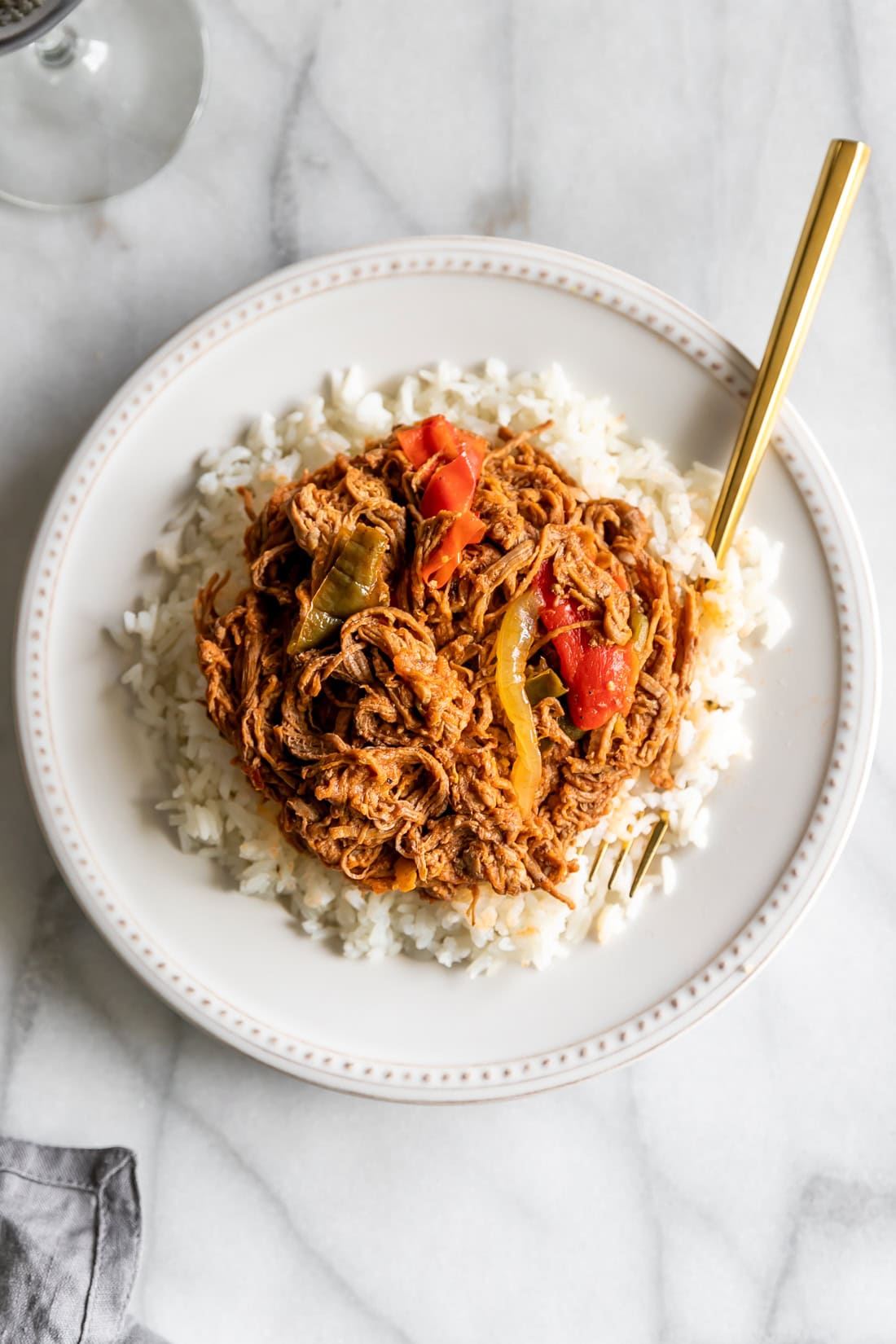
Step into any Cuban home, and you’re likely to encounter the warm, inviting aroma of a meal that speaks volumes about family, history, and incredible flavor: Ropa Vieja. This iconic dish isn't just food; it's a culinary hug, a testament to slow cooking, and a centerpiece of Cuban cuisine. Often referred to as "old clothes" due to the way the slow-cooked beef shreds into tantalizing, ragged strands, Ropa Vieja is a dish that truly transforms a humble cut of meat into an extraordinary experience.
For many, the mention of an authentic Cuban Ropa Vieja: From Intimidating to Irresistible, Your Perfect Recipe brings to mind Abuela's kitchen – a place where time slows down, and flavors deepen with patient care. While the thought of making such a classic might seem daunting, rest assured, mastering this ropa vieja recipe is entirely within reach. With the right guidance and a touch of patience, you can recreate the magic of this Cuban staple right in your own home.
The Heart of Cuban Cuisine: What Makes Ropa Vieja Special?
At its core, Ropa Vieja is Cuba’s quintessential comfort food, a dish that nourishes both body and soul. It’s a rich tapestry of flavors woven from a simple yet powerful foundation: the Cuban sofrito. This aromatic blend of sautéed onions, bell peppers (often red and green for a vibrant contrast), and garlic forms the soulful base for the shredded beef. Combined with a robust tomato sauce and warm spices like cumin, the flavors meld together over hours, creating an unparalleled depth.
This dish is more than just ingredients; it's a cultural touchstone. From bustling Havana eateries to quiet family dinners in Santiago de Cuba, Ropa Vieja graces countless tables weekly, embodying the essence of Cuban home cooking. The transformation of a tough, sinewy cut of beef into tender, saucy threads is nothing short of culinary alchemy. Traditionally, Ropa Vieja is served with fluffy white rice and savory black beans, a perfect trifecta that balances and complements every bite, creating a truly satisfying and classic Cuban meal.
Demystifying the Process: Time, Patience, and Abuela's Wisdom
One of the biggest misconceptions about crafting an authentic ropa vieja recipe is the perceived complexity and lengthy cooking time. While it’s true that a full Ropa Vieja experience can span 3-4 hours, the good news is that much of this time is passive. The majority is spent simply boiling the beef, a step that requires minimal active involvement. Don’t let the clock fool you into thinking it's an intimidating endeavor; it's mostly a waiting game, and the payoff is immense.
Abuela's Secret Weapon: The Overnight Chill
One of the most valuable tips for making Ropa Vieja less daunting and even more delicious is to cook the beef the day before you plan to serve the dish. Here’s why this seemingly simple step is a game-changer:
- Time-Saving: Pre-cooking the beef significantly reduces the active cooking time on the day you want to enjoy your Ropa Vieja, making it a more manageable weeknight meal.
- Effortless Fat Removal: After the beef broth cools overnight in the refrigerator, any rendered fat will solidify on the surface. This makes it incredibly easy to skim off, leaving you with a leaner, clearer, and richer broth to use in your sauce.
- Enhanced Flavor: Allowing the beef to rest in its cooking liquid overnight can also help deepen its flavor and tenderness.
This strategic planning transforms the "long cook time" into a series of relaxed steps, proving that with a little foresight, anyone can replicate a dish worthy of Abuela’s approval. Remember, cooking is a journey, and while your first attempt might not be exactly like your Abuela’s, each subsequent effort will bring you closer to making this incredible ropa vieja recipe truly your own.
Selecting Your Star Ingredient: The Beef
The choice of beef is paramount to achieving the signature shredded texture of Ropa Vieja. You need a cut that stands up well to slow cooking, breaking down into tender, flavorful strands rather than drying out. The most traditional and highly recommended options are:
- Flank Steak: This cut is celebrated for its long muscle fibers, which, after slow cooking, shred beautifully into those characteristic "old clothes" strands. It absorbs flavors wonderfully and becomes incredibly tender.
- Brisket: An equally excellent choice, particularly if you prefer slightly shorter, yet still incredibly tender, pieces of shredded beef. Brisket, with its marbled fat, also delivers exceptional flavor and succulence when cooked low and slow.
Regardless of your choice, the goal is to use a cut that thrives under extended, moist heat, ensuring a succulent and fall-apart tender result.
Building the Flavor Foundation: The Sofrito
No discussion of an authentic ropa vieja recipe is complete without highlighting the critical role of the sofrito. This aromatic base is the soul of countless Cuban dishes and is essential for Ropa Vieja's distinctive flavor profile. It typically includes:
- Onions: Often yellow or white, providing a sweet, savory foundation.
- Bell Peppers: A combination of red and green bell peppers adds sweetness, a subtle bitterness, and vibrant color.
- Garlic: Plenty of fresh garlic, minced or finely chopped, infuses the sofrito with its pungent, irresistible aroma.
These ingredients are slowly sautéed until softened and fragrant, allowing their natural sugars to caramelize and their flavors to deepen. Many recipes also incorporate a touch of tomato paste or crushed tomatoes, along with spices like ground cumin, dried oregano, and bay leaves, building layers of savory goodness.
Chef's Insight: When preparing your vegetables for the sofrito, you have a choice. Some cooks prefer to slice the onions and bell peppers into long, thin strips to mirror the eventual shredded beef, offering a harmonious texture in the final dish. Others opt for a finer dice for a more integrated sauce. Both approaches work; choose what appeals most to your palate and presentation preferences.
The Art of Simmering and Shredding
Once your beef is cooked and your sofrito is ready, the magic of Ropa Vieja truly unfolds. There are generally two main approaches to marrying these components:
- Traditional Separate Cook & Combine: This method, often favored by Abuelas, involves first cooking the beef (sometimes in a pressure cooker for speed, as Gabriela Rodiles' grandmother did) until it’s fork-tender. It's then shredded and added to the prepared sofrito and tomato-based sauce, simmering together to allow the flavors to meld. The broth from the initial beef cooking is crucial here, adding immense depth to the sauce.
- Braised in Sauce (Modern Approach): Some contemporary ropa vieja recipe adaptations, like Gabriela Rodiles' take, involve braising the beef directly in the tomato and sofrito sauce from the beginning. This method allows all the juices and flavors to marry and concentrate together throughout the entire cooking process, resulting in an incredibly rich and cohesive dish.
Whichever method you choose, a critical piece of advice is to resist the urge to over-shred your meat initially. As the beef continues to simmer gently in the flavorful sofrito and sauce, it will naturally break down further, yielding that perfect, tender, "old clothes" texture. Give it room to complete its transformation in the pot.
Salt Smart: When boiling your beef, be judicious with the salt. A long cooking process can lead to flavor concentration, so it’s always better to start with less and adjust seasoning towards the end, after the sauce has had time to reduce and develop its full flavor profile. This allows you to fine-tune the salinity perfectly.
Beyond the Basics: Elevating Your Ropa Vieja
While the core ropa vieja recipe is a masterpiece in itself, certain additions can elevate the flavor and add delightful contrasts:
- Olives and Capers: For a salty, briny kick that cuts through the richness of the beef, consider adding pimiento-stuffed Manzanilla olives or a handful of capers towards the end of the cooking process.
- Pimientos: Strips of roasted red peppers (pimientos) add another layer of sweetness and a beautiful visual appeal.
- A Touch of Wine: A splash of dry sherry or red wine can introduce a nuanced complexity and depth to the sauce.
Once you've mastered the fundamentals of this dish, don't hesitate to Unlock Ropa Vieja Secrets: Tips for Tender Cuban Shredded Beef at Home and experiment. Ropa Vieja is incredibly versatile. Beyond its classic rice and beans accompaniment, it makes fantastic fillings for tacos, sandwiches, or even served over creamy polenta or garlic-infused yuca con mojo. The beauty of home cooking lies in making a classic your own, honoring tradition while adding your personal touch.
Ropa Vieja is more than just a dish; it's an experience. It's the comforting embrace of Cuban culture, brought to life through slow cooking and thoughtful preparation. From the humble beef to the vibrant sofrito, each component plays a vital role in creating a meal that is both deeply satisfying and endlessly flavorful. Don't be deterred by its reputation; embrace the journey, savor the aromas, and relish the incredible reward. This ropa vieja recipe isn't just a guide; it's your invitation to create a piece of culinary heritage that will delight your family and friends, one tender, shredded bite at a time.
